hy Intelligent Traders Choose Feature-Rich Trading System
In the present fast-moving financial ecosystem, traders need rate, accuracy, and diagnostic degree to keep competitive. The evolution of electronic money has established powerful situations where decision-making is led by real-time ideas, automation, and clever planning systems. Certainly one of the main developments in that space could be the emergence of incorporated answers like the tradingsphere platform, which supports users access worldwide markets with increased performance, structured delivery, and increased diagnostic capabilities. Modern trading tools are no further limited to simple buy and sell functions. They now include sophisticated planning methods, algorithmic trading support, and chance administration tools that enable traders to work with better control. Statistical analysis demonstrates traders applying structured digital platforms tend to make more educated conclusions in comparison to those counting on information monitoring methods. This change shows the significance of engineering in improving trading accuracy and lowering mental bias.
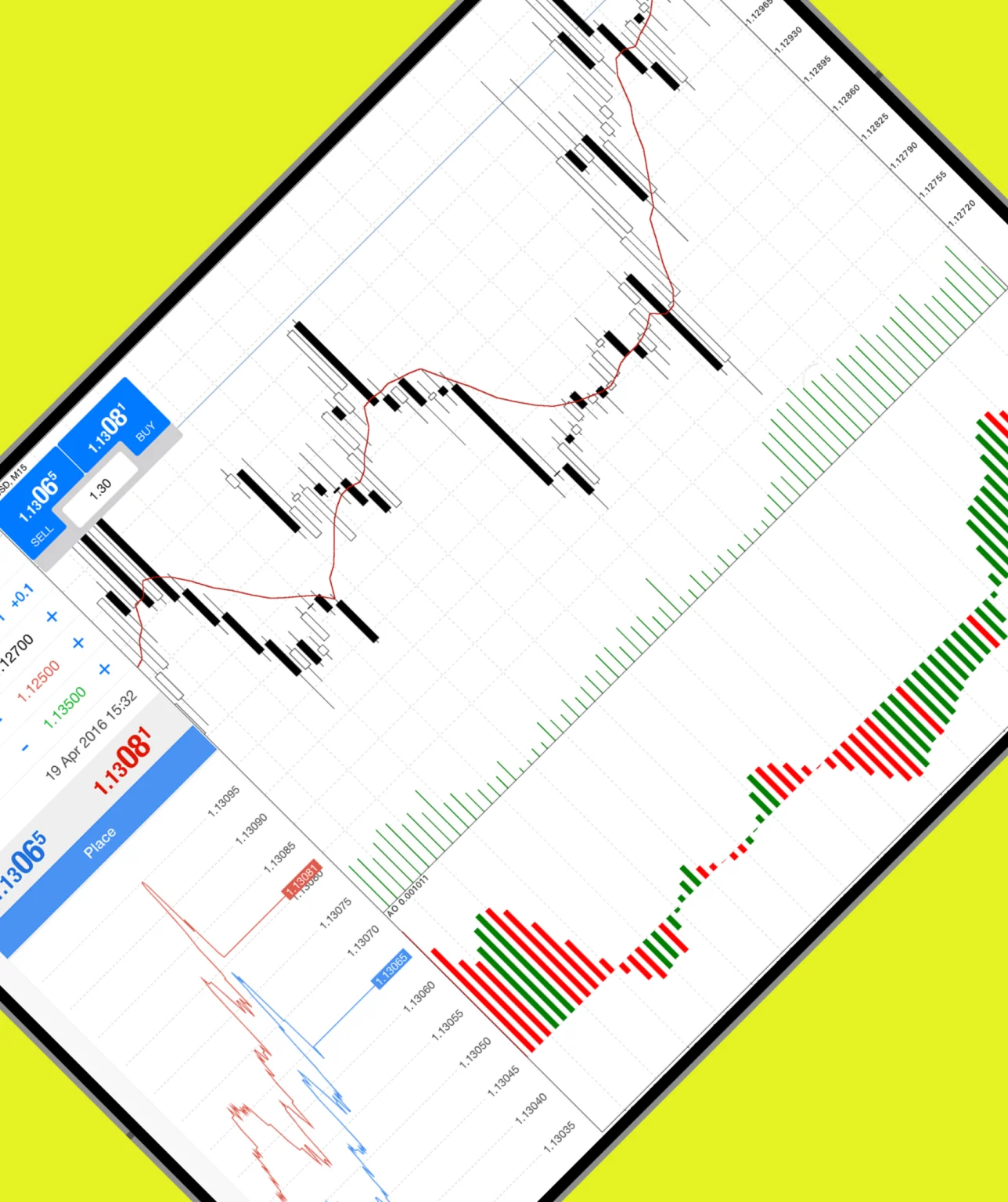
What makes modern trading tools far better than standard techniques? Modern systems include automation, stay data streams, and logical dashboards. This mix helps traders understand industry trends faster and act with improved precision. How can data evaluation increase trading performance? Data-driven trading allows users to judge famous habits, identify volatility tendencies, and prediction potential movements. As a result, trading choices be structured and less speculative. Why is real-time industry access crucial? Real-time entry assures traders respond straight away to promote fluctuations. Even a few seconds of delay can impact profitability, specially in very unpredictable assets. What role does automation enjoy in trading methods? Automation decreases handbook work by executing predefined methods predicated on market conditions. This decreases emotional trading and increases consistency.
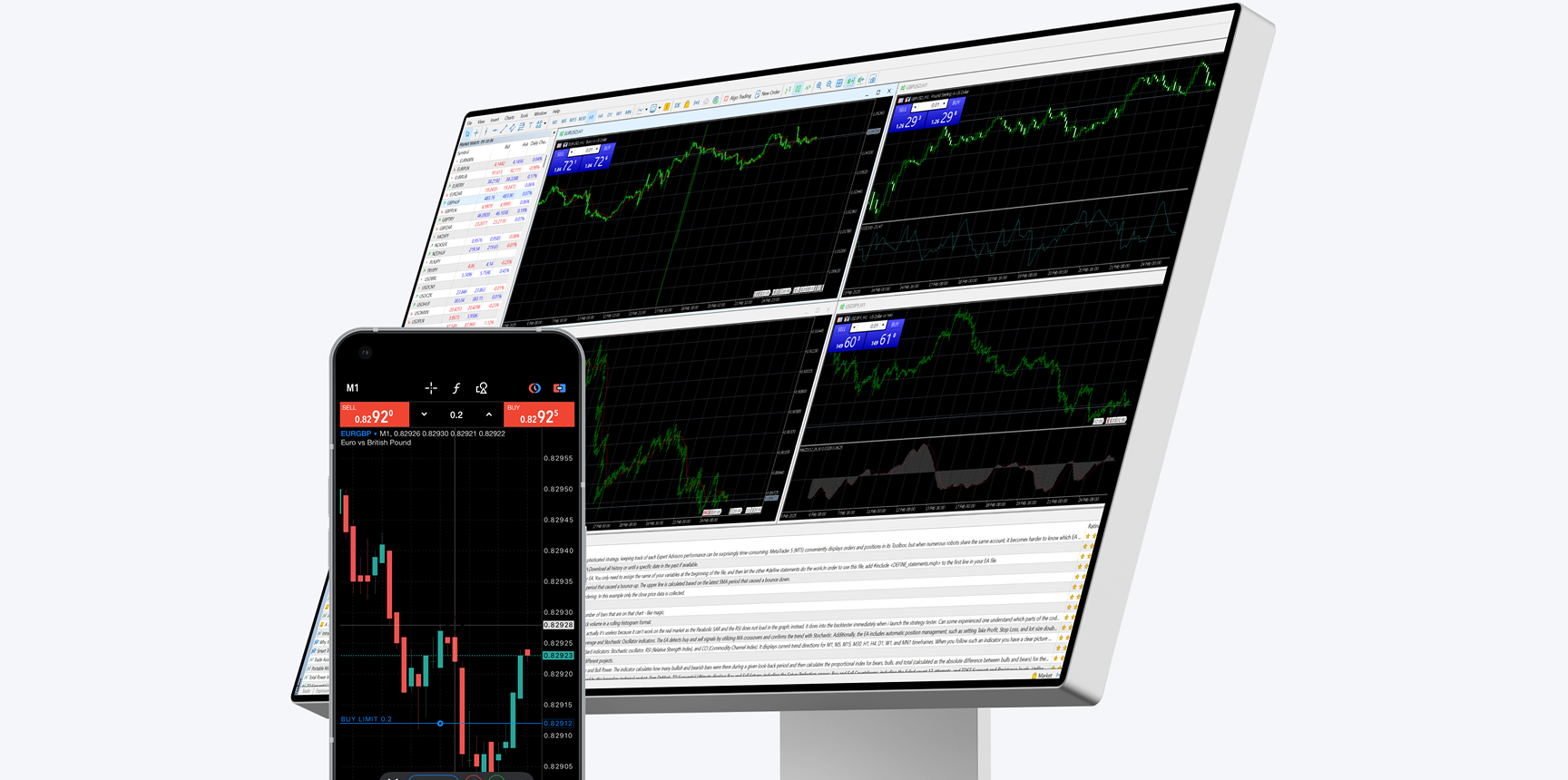
Mathematical insights indicate that traders who use sophisticated analytics tools experience larger reliability in decision-making patterns. Instead of counting on guesswork, they rely on organized knowledge designs that highlight entry and leave opportunities. That diagnostic method is especially useful in unstable markets wherever quick changes may occur within seconds. Still another crucial facet of contemporary trading methods is accessibility. People may check international areas from multiple units, ensuring they never skip important opportunities. Mobile integration and cloud-based methods more increase freedom, allowing traders to handle portfolios from anywhere. Risk administration can also be a core function of advanced trading environments. Instruments such as for instance stop-loss controls, margin tracking, and portfolio diversification signs lessen contact with pointless losses. These functions are important for maintaining long-term trading stability. To conclude, the future of trading is greatly dependent on wise programs that mix rate, analytics, and automation. As financial markets continue to evolve, platforms offering structured ideas and easy performance can stay required for both new and experienced traders seeking consistent performance and sustainable growth.